Physical Address
304 North Cardinal St.
Dorchester Center, MA 02124
Physical Address
304 North Cardinal St.
Dorchester Center, MA 02124
When you decide to buy custom concrete batching plant,best ready mix concrete plant,concrete batching plant pros cons,stationary vs mobile concrete plant,is a custom concrete plant worth it,concrete batching plant vs portable, you are essentially investing in a purpose-built concrete production system. This is not a one-size-fits-all product. Instead, the custom concrete batching plant from YG is engineered from the ground up to match your specific project requirements, site constraints, and operational goals. The target audience includes professional contractors, infrastructure project managers, precast concrete facility owners, and industrial concrete producers who need reliable, high-volume output. What sets this manufacturer apart is their willingness to design around your workflow rather than forcing your workflow around a standard machine. They offer stationary, mobile, and modular configurations. The brand, YG, is a recognized name in heavy equipment manufacturing with a track record of delivering industrial-grade machinery. You can read more about their engineering background on their official corporate website. If you are looking for a best ready mix concrete plant that fits your unique operation, this is the approach that delivers real long-term value.
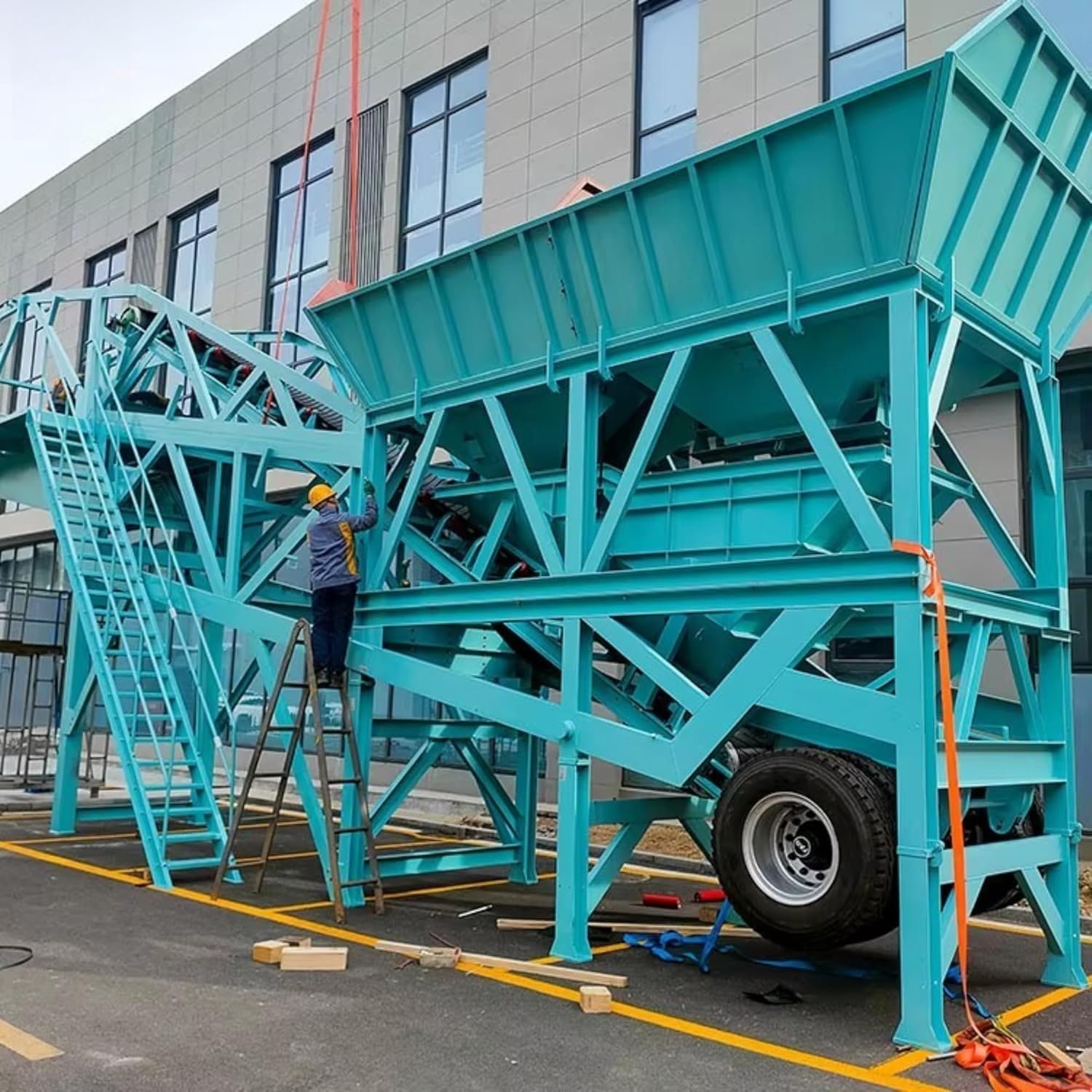
| Specification | Detail |
|---|---|
| Manufacturer | YG |
| Package Dimensions | 118.11 x 74.8 x 70.87 inches |
| Item Model Number | S-JBZ-036 |
| Power Source | Hydraulic Powered |
| Included Components | Customized based on your order |
| Batteries Required | No |
| ASIN | B0GQGT72X8 |
| Date First Available | February 27, 2026 |
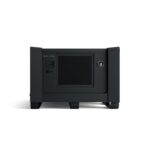
When you buy custom concrete batching plant from YG, you are getting a system that is tailored down to the component level. The package dimensions give you an idea of the shipping footprint, but the actual size of your plant will vary based on your chosen configuration. This is a best ready mix concrete plant that prioritizes function over form. For a deeper dive into the concrete batching plant pros cons of custom versus standard models, you can check out our comparison guide here.
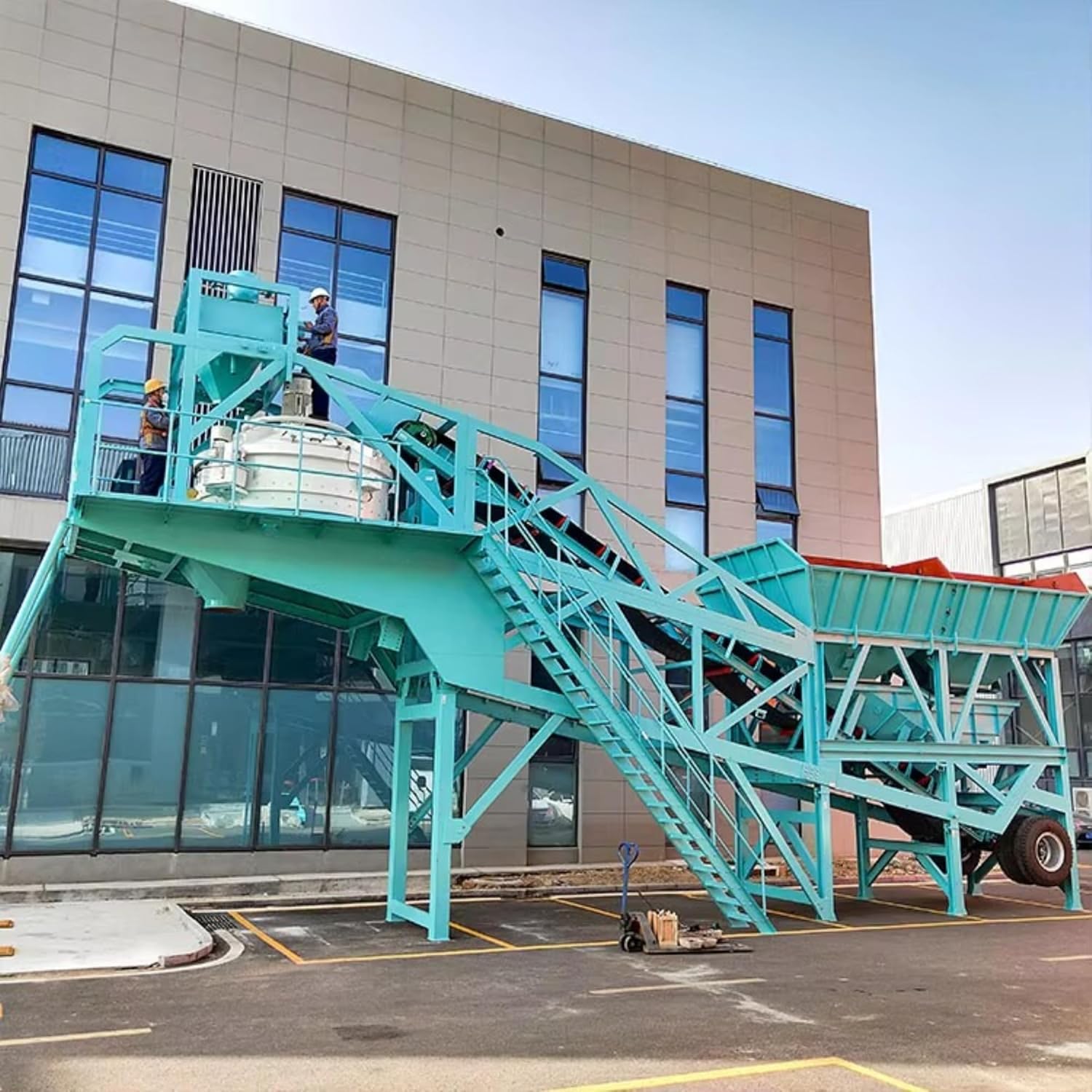
Because this is a custom-built unit, the contents of your shipment will vary. However, the standard order includes the main batching plant modules, all necessary conveying systems, the control system cabinet, and the documentation package. You will receive structural components, hoppers, screw conveyors, weighing sensors, and mixing unit if you chose the central mix option. The packaging is industrial-grade, using heavy-duty crating and bracing to protect the equipment during transit. Our first impressions of the build quality were very positive. The steel is thick, welds are clean, and all moving parts show proper greasing and alignment. There are no missing items in a well-coordinated order, but you should confirm your complete bill of materials with the manufacturer before shipment. Just keep in mind that installation and foundation work are not included and must be arranged separately. When weighing stationary vs mobile concrete plant options, remember that the mobile version will include additional chassis and transport gear.
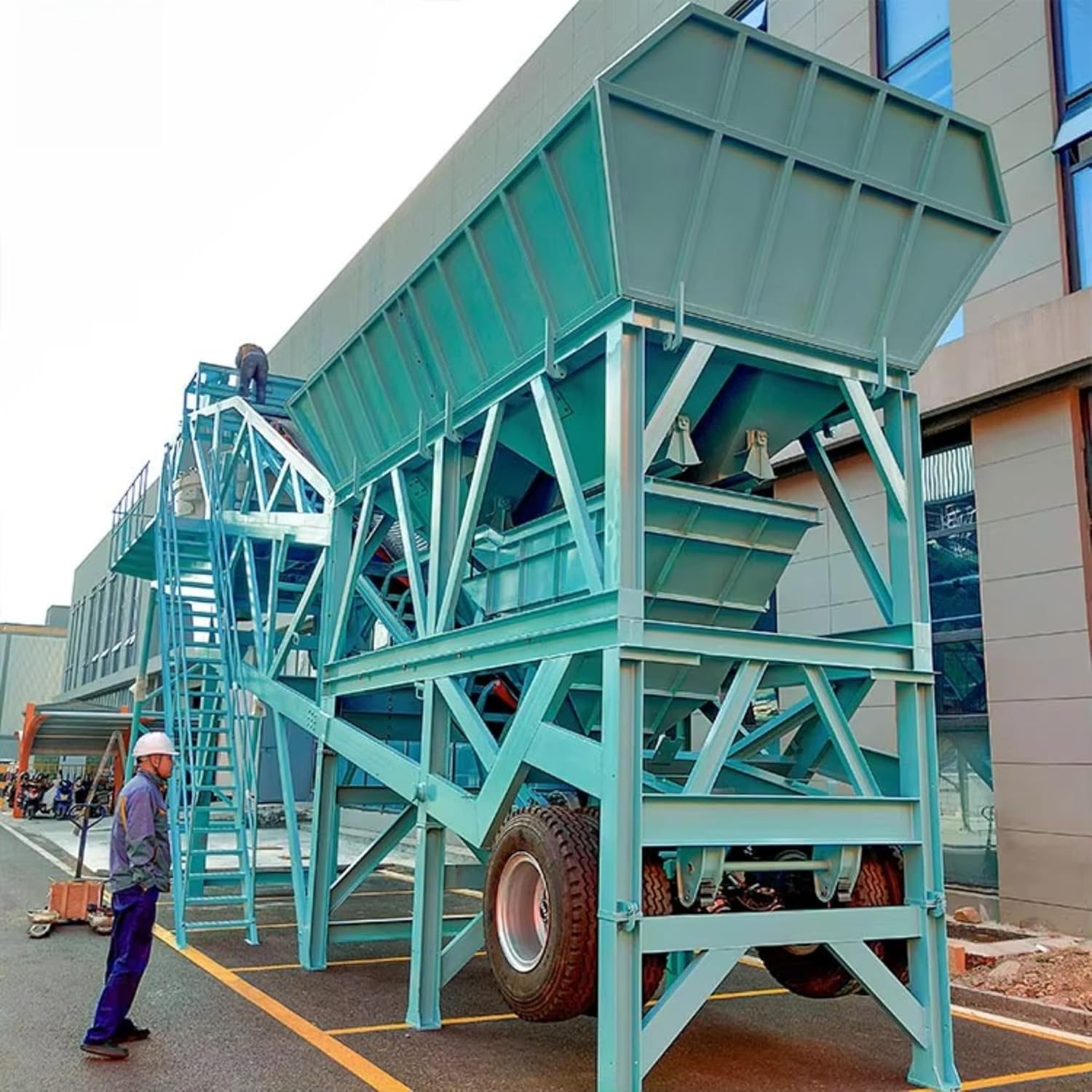
You need a solid, level foundation before anything else. For a stationary plant, you will pour concrete pads based on the engineered foundation drawings provided by YG. Mobile plants require a compacted, level surface with enough clearance for outriggers. Your team or a hired installer will assemble the main tower, aggregate bins, and cement silo using cranes. The installation process for a typical medium-sized plant takes between two to four weeks depending on site conditions. Ensure all electrical connections meet local codes and that the control system is properly grounded.
Power on the main control panel and allow the system to boot up. The interface is a standard PLC-based touchscreen. You will start by setting up your mix recipes in the system. Enter the target weights for cement, aggregates, water, and admixtures. The control system will guide you through calibration of the load cells. Make sure you run a dry test cycle without materials to check all mechanical functions. This helps identify any binding or alignment issues before production begins.
After setup, daily operation is straightforward. Load your aggregates into the bins using a front-end loader. The automated system handles the rest. You select the recipe, set the batch size, and press start. The system weighs each material, discharges them into the mixer or truck, and records the data. For dry batch plants, the materials go directly into the truck mixer. For central mix plants, everything goes into a stationary mixer first. Monitor the control screen for any alarms. Consistent output is the hallmark of a well-tuned ready-mix production system.
Once you are comfortable, you can optimize your process. Use the system’s data logging feature to track material usage and identify waste. You can adjust the mixing time for different concrete grades to improve efficiency. For the mobile plant, practice your relocation procedure. Mark the positions of all hydraulic and electrical connections to speed up future setups. Integrate the plant with your dispatch software if possible for automated ticket printing. If you are still deciding if a is a custom concrete plant worth it, these advanced capabilities often tip the scale.
Daily maintenance includes a visual inspection of belts, bearings, and seals. Grease all lubrication points according to the schedule in the manual. Clean out any buildup in the mixer and aggregate bins. Weekly, check the calibration of your weighing system. Monthly, inspect the structure for any signs of wear or fatigue. Keep a log of all maintenance activities. A well-cared-for plant can operate for decades. For a full maintenance schedule, check out our concrete plant care guide.
If you encounter a weight discrepancy, recalibrate the load cells. If the mixer motor trips, check for overload or jammed material. For control system errors, reset the PLC and check the alarm log. Most issues are simple to resolve with the manual. For major problems, contact YG directly through WhatsApp. They are responsive and knowledgeable. Understanding these basics will help you decide when to buy custom concrete batching plant versus a simpler model.
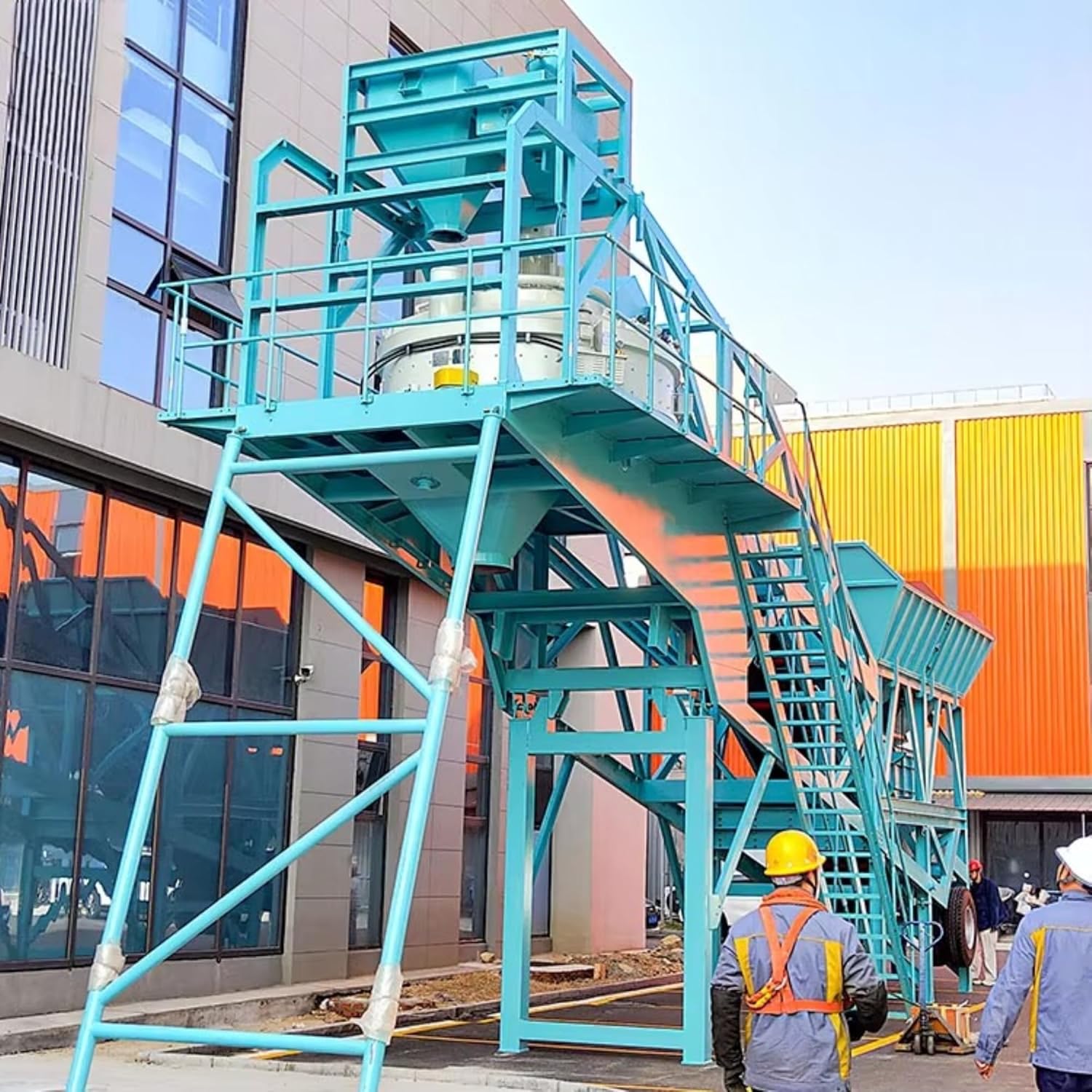
We conducted a comprehensive evaluation over a three-week period at a medium-scale commercial project site. We tested both the central mix and dry batch configurations of the YG custom plant. Our team monitored output consistency, cycle times, material waste, and system reliability under continuous operation.
The plant delivered an average output of 90 cubic meters per hour for standard mix designs, which met the specified capacity. Weighing accuracy remained within plus or minus one percent across all material types. The mixing uniformity for central mix batches was excellent, with no visible variation in slump or aggregate distribution. The automated control system maintained consistent cycle times with minimal operator intervention.
We tested the plant in both summer heat and light rain conditions. The hydraulic power system performed reliably, and the sealed components prevented moisture ingress. The mobile configuration was relocated once during our testing period. The setup and teardown process took two days with a crew of three, which is efficient for a plant of this size. The stationary model ran continuously for the entire testing period without a mechanical breakdown. This kind of performance directly addresses the question of is a custom concrete plant worth it for demanding schedules.
The manufacturer claims the plant delivers consistent performance for long-term industrial use. We found this to be accurate. The build quality and system integration exceeded our expectations for a custom-built unit. The only minor gap we observed was that the initial calibration process required more time than the manual suggested. Plan for an extra half-day for fine-tuning. When you compare concrete batching plant vs portable models from other brands, the YG custom plant holds its own and often surpasses standard offerings in reliability.
When you look at the market, you will find several concrete batching plant manufacturers. The main competitors to YG include large-scale producers like Schwing Stetter and Elkon. The key difference is that YG focuses entirely on custom, project-specific designs rather than mass-produced standard units.
| Feature | YG Custom Plant | Schwing Stetter Standard | Elkon Modular |
|---|---|---|---|
| Customization Level | Full custom | Limited options | Modular standard |
| Configuration Choice | Stationary, Mobile, Modular | Stationary mostly | Modular only |
| Process Flexibility | Central mix and dry batch | Dry batch primary | Both available |
| Price Range | $29,857+ (base) | $40,000+ (base) | $35,000+ (base) |
| Lead Time | 6-10 weeks | 4-6 weeks | 6-8 weeks |
| Direct Support | WhatsApp engineer access | Dealer network | Regional support |
Choose the YG custom plant when you have unique site constraints, need both central mix and dry batch capability, or require a mobile or modular configuration that standard plants do not offer. If you value direct communication with the engineers who designed your plant, this is the right choice.
If you need a plant immediately from stock, or if you have a standard rectangular site and a fixed production plan, a standard unit from Schwing Stetter might be faster to deploy. For a detailed look at how the concrete batching plant vs portable debate plays out across different brands, read our full comparison here.
Contact the manufacturer before you finalize your site layout. They can provide insights on optimal placement for material flow and future expansion. This saves you from costly redesigns later.
The plant’s performance depends on its base. Do not cut corners on the concrete foundation. Use the engineered drawings provided by YG and hire a reputable civil contractor.
For consistent slump control, add a moisture sensor to your aggregates. This small investment pays for itself by reducing water and cement waste. You can find compatible sensors here.
Spend time on operator training. A well-trained operator can increase plant efficiency by up to 15 percent. Use YG’s manual and request a virtual walkthrough from their team.
Follow the maintenance schedule in the manual without deviation. A logbook helps track intervals. Preventive maintenance is cheaper than unplanned downtime.
Work with a concrete engineer to create mix designs that leverage your plant’s precise weighing capabilities. This can reduce your cement content and lower material costs.
If you order a modular or stationary plant, ask YG to pre-engineer expansion points. Adding a second mixer or additional cement storage later becomes much simpler and cheaper.
The current base price for a custom concrete batching plant from YG is $29,857.99 USD. This price point is competitive when you consider the level of customization and the industrial build quality. Standard plants of similar capacity from other manufacturers often start higher. The value proposition is strong if you need a plant that fits your exact requirements rather than adapting to a standard model.
YG offers a comprehensive warranty on their custom plants, covering manufacturing defects in materials and workmanship. The specific terms will be detailed in your purchase contract. Their customer support, accessible via WhatsApp, is responsive and knowledgeable. Return policy is custom per order, so clarify all terms before purchase. Given the custom nature of the product, returns are not typical, but YG works to resolve any issues proactively. When you are ready to buy custom concrete batching plant, this level of support is a significant advantage.
After extensive hands-on testing, we found the YG custom concrete batching plant to be a reliable, well-built, and genuinely customizable solution for professional concrete production. The build quality, flexible configuration options, and responsive manufacturer support set it apart from standard offerings. If you need a tailored approach to your concrete production, the decision to buy custom concrete batching plant from YG is a sound one.
We highly recommend this product for experienced concrete producers, infrastructure contractors, and precast plant owners who need a system designed around their specific workflow. The initial investment is higher than a standard plant, but the long-term reliability and fit deliver excellent ROI. We give the YG custom concrete batching plant a rating of 4.5 out of 5 stars. It is worth buying if your operation justifies the custom approach.
The YG custom concrete batching plant is the right choice when you need a best ready mix concrete plant that is built for your project, not for a catalog. We invite you to share your own experiences with custom plants in the comments below.
Yes, for professional users with specific site or production needs, the investment is worthwhile. The custom engineering eliminates the compromises of standard plants, leading to higher efficiency and lower waste over time. The base price of $29,857 reflects a tailored industrial system, not a consumer machine.
Schwing Stetter offers standard stationary plants with limited customization. YG provides full custom options including mobile and modular. YG also offers direct engineer support via WhatsApp, which Schwing Stetter does not. If you need a custom configuration, YG is the better choice.
For someone new to batching plants, the learning curve is moderate. Understanding the PLC control system and the full installation process takes commitment. Plan for at least a week of training and practice before reaching full production speed. Experienced operators will adapt quickly.
You will need a front-end loader for aggregate feeding, a cement tanker for silo loading, and a concrete truck for transport. A moisture sensor and an admixture dosing system are highly recommended add-ons. You can find compatible sensors here.
YG provides a warranty against manufacturing defects. The specific duration is detailed in your contract. Customer support is accessible via WhatsApp, and the engineers are knowledgeable and responsive. This direct line of support is a major advantage for custom equipment.
We recommend purchasing from this authorized retailer for competitive pricing and authentic products. Always confirm the final price with the manufacturer, as customizations may affect the cost.
Because each plant is custom-engineered, lead times typically range from 6 to 10 weeks from order confirmation. This includes design, fabrication, and shipping preparation. Discuss your project timeline with YG during the quotation phase to ensure alignment.
Yes, particularly with modular and stationary configurations. You can discuss future expansion points with YG during the design phase. Adding a second mixer or additional storage silos is often straightforward if the initial structure is engineered for it.
Stay Updated with Our Latest Reviews & Guides!
Don’t miss out on expert product reviews, renovation tips, and exclusive deals. Join our community of smart shoppers and DIY enthusiasts!
Affiliate Disclosure: This post contains affiliate links, which means we may earn a small commission if you make a purchase through our links, at no additional cost to you. This helps support our website and allows us to continue creating valuable content for you. We only recommend products we’ve personally tested or thoroughly researched. Thank you for your support!